

Plug-in, battery or hardwired wall lights: what you can do without an electrician


You love the wall light, but is it a job for an electrician? It depends on how you power it. There are three routes, and the right one is usually decided by your wall, your lease and how permanent you want it to be.
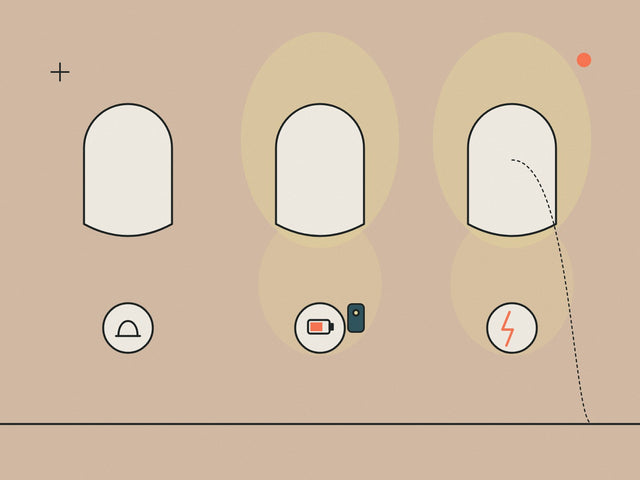
Battery-powered
The simplest option. No wiring, no chasing, no plug. You fix the light to the wall, drop in batteries or a rechargeable cell and use a remote or switch. It suits rented homes, stairwells with no socket, and anywhere you want a light in minutes. In a rental, the fixing may still need your landlord's agreement in writing,[1] and tenants should not carry out their own electrical repairs,[2] which is why no-wiring options suit renters. Trade-offs, in our experience: batteries need replacing or recharging, and output is typically softer than a mains lamp. Great for ambience, less so as a main light.
Plug-in
A plug-in wall light runs from a normal socket via a cable. It needs no new wiring, so it is a popular route for renters and for bedrooms where a socket sits close by. Part P of the Building Regulations still treats installing fixed equipment as electrical installation work even when the final connection is a standard plug, but it is notifiable only where it involves a new circuit, a consumer unit or a special location such as a bathroom.[3] The cable is visible unless you hide it. Options include cable covers painted to match the wall, a decorative cord or a socket positioned directly beneath the light. Check the product's electrical rating. Plugs supplied for domestic use must meet the British Standards specified in the Plugs and Sockets etc. (Safety) Regulations 1994,[4] and lamps should come with a UK 3-pin plug and fuse.[5]
Hardwired
The tidy, permanent option. The cable runs inside the wall and connects to a lighting circuit or spur, with a switch. This is the finish that makes a wall light look built in. It involves cutting into plaster and working on the electrics, so it should be done or checked by a qualified electrician.[6][7] A registered electrician works to the BS 7671 wiring standard[8] and certifies the work. Cables buried in walls are expected to run horizontally or vertically from accessories, which is another reason not to chase blind.[9] Plan it before decorating: after a new skim, a chase and a patch are much harder to disguise.
Which suits you?
- Rented or temporary: battery or plug-in
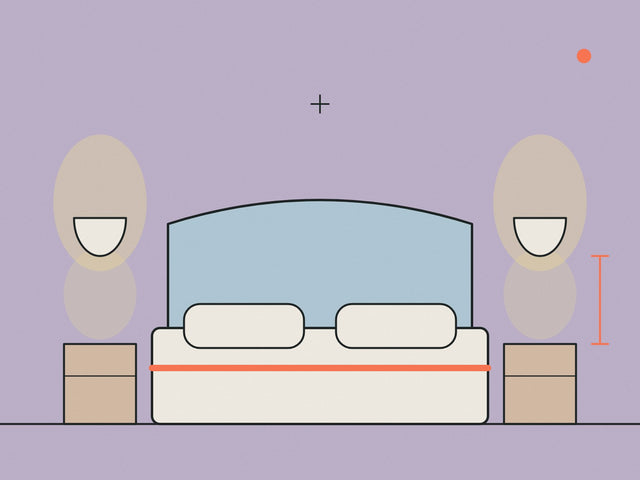
- Bedside, with a socket nearby: plug-in with a painted cable cover
- Hallway or stairs, no socket: battery, or hardwired if you are renovating
- Full renovation or new plastering: hardwired
Our plaster wall lights are offered with battery or mains options on the listing, so check the variant you want. The light itself is paintable, so you can match it to the wall. Take a look at fitting and painting for the finish, and choosing a plaster wall light for the design side.
Safety basics
- Isolate at the consumer unit before any hardwired work, and prove the circuit dead before touching it.[9][10]
- Never run a plug-in cable where it can be trapped or damaged.[5]
- Keep bulbs within the stated wattage and use the bulb type the fitting specifies.[5]
- If in doubt, hire a qualified electrician.[7]

Shop wall lights


Browse all wall lights.
Frequently asked questions
Can I fit a wall light without an electrician?
Yes: battery and plug-in wall lights need no electrical work. Hardwired lights should be fitted or checked by a qualified electrician.
Are battery wall lights bright enough?
They give a soft, ambient glow rather than task lighting, which suits bedrooms, hallways and stairs.
How do I hide a plug-in wall light cable?
Use a paintable cable cover in the wall colour, a decorative cord, or place the socket directly beneath the light.
Can I paint a plaster wall light?
Yes. Plaster takes paint well, so you can match it to the wall.
Sources
References and further reading
Harvard style. Web pages were checked on the access date shown.
- Shelter England (2026) Making improvements to your rented home. Shelter. Available at: england.shelter.org.uk/housing_advice/repairs/making_impr... (Accessed: 27 October 2026).
- Electrical Safety First (n.d.) Electrical safety advice for landlords. Electrical Safety First. Available at: www.electricalsafetyfirst.org.uk/safety-advice/home-and-p... (Accessed: 27 October 2026).
- Ministry of Housing, Communities and Local Government (2013) Electrical safety: Approved Document P (2013 edition). HM Government. Available at: www.gov.uk/government/publications/electrical-safety-appr... (Accessed: 27 October 2026).
- UK Government (1994) The Plugs and Sockets etc. (Safety) Regulations 1994 (SI 1994/1768). legislation.gov.uk. Available at: www.legislation.gov.uk/uksi/1994/1768/contents/made (Accessed: 27 October 2026).
- Electrical Safety First (n.d.) Electrical safety advice for lamps. Electrical Safety First. Available at: www.electricalsafetyfirst.org.uk/safety-advice/products-a... (Accessed: 27 October 2026).
- Electrical Safety First (n.d.) Part P of the Building Regulations. Electrical Safety First. Available at: www.electricalsafetyfirst.org.uk/find-a-registered-electr... (Accessed: 27 October 2026).
- Electrical Safety First (n.d.) Choosing a registered electrician. Electrical Safety First. Available at: www.electricalsafetyfirst.org.uk/find-a-registered-electr... (Accessed: 27 October 2026).
- Institution of Engineering and Technology (n.d.) BS 7671 - 18th Edition: the IET Wiring Regulations. IET. Available at: electrical.theiet.org/bs-7671/ (Accessed: 27 October 2026).
- Electrical Safety First (n.d.) Electrical safety advice for DIY-ers. Electrical Safety First. Available at: www.electricalsafetyfirst.org.uk/safety-advice/home-and-p... (Accessed: 27 October 2026).
- Health and Safety Executive (2025) Electrician suffered shock when electrical supply had not been properly isolated. HSE. Available at: www.hse.gov.uk/electricity/maintenance/isolate.htm (Accessed: 27 October 2026).
How to cite this article
Tire, G. (2026) ‘Plug-in, battery or hardwired wall lights: what you can do without an electrician’, The Flare Journal. Flare Studio UK. Available at: https://flarestudio.uk/blogs/journal/plug-in-battery-hardwired-wall-lights (Accessed: 12 November 2026).
Shop the style







Conversation
Join the conversation
Questions about the history, a room you are planning, or a piece you have seen in the wild? Leave a comment and Joseph will reply.