Shropshire's architectural heritage: from Shrewsbury's timber mansions to the Iron Bridge


Flare is based in Shrewsbury, and the county around us is an extraordinary place to study architecture. Within a short drive you can see medieval abbeys, Tudor timber mansions, the birthplace of the industrial age and elegant Georgian country houses.
Shrewsbury Abbey
Shrewsbury Abbey was founded in 1083 by Roger de Montgomery as a Benedictine monastery. Much of the church survives, and readers of Ellis Peters will know it as the home of the fictional Brother Cadfael.
The timber-framed town
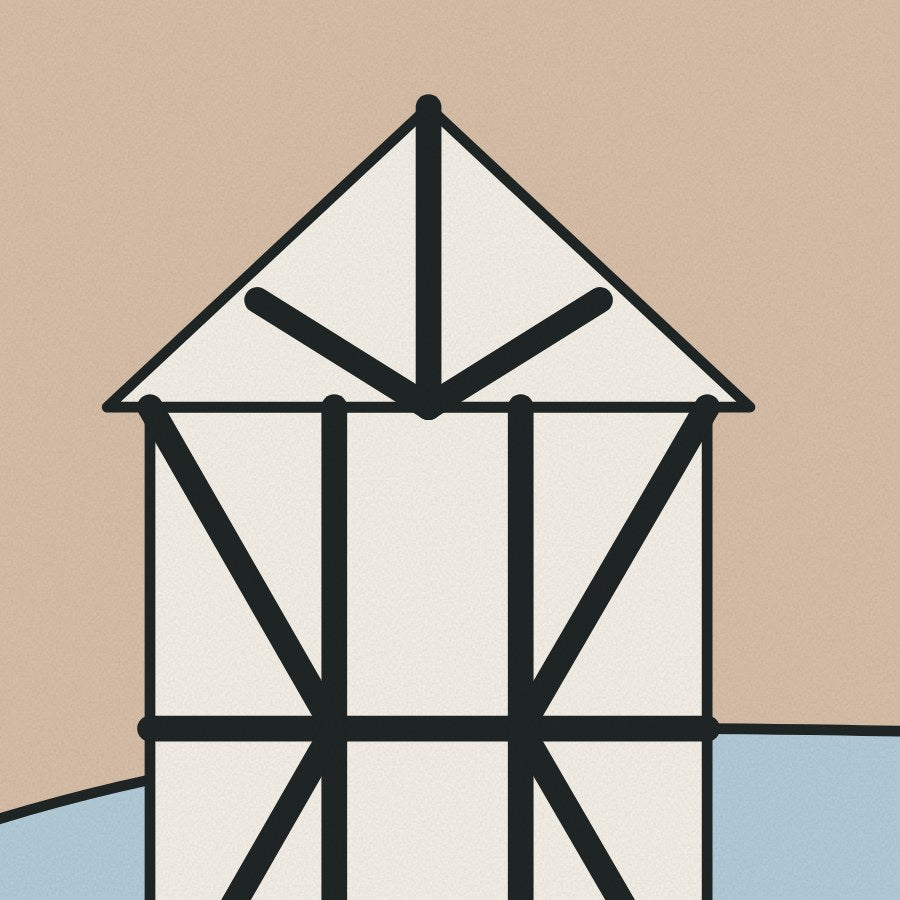
Shrewsbury has one of the finest collections of timber-framed buildings in England. Ireland's Mansion on the High Street, built around 1575, is a towering black-and-white façade of carved timber, and nearby Owen's Mansion is dated 1569. Walking the town's narrow "shuts" and passages, you can still see how Tudor and Jacobean builders used decoration to show off wealth and status.
The Iron Bridge
A few miles east, the Iron Bridge crosses the River Severn at Coalbrookdale. Designed by Thomas Farnolls Pritchard and cast under Abraham Darby III, it was completed in 1779 as the first major bridge in the world built of cast iron. The Ironbridge Gorge became a UNESCO World Heritage Site in 1986.
Shropshire shows how ornament and engineering have always lived side by side.
Ditherington Flaxmill
On the edge of Shrewsbury stands Ditherington Flaxmill, designed by Charles Bage and built in 1797. It was the world's first iron-framed building, an ancestor of every skyscraper. After a long restoration it reopened to visitors in 2022.
Attingham Park
To the south-east of the town, Attingham Park was built in 1785 to designs by George Steuart for Noel Hill, the first Lord Berwick. Its neoclassical interiors, now cared for by the National Trust, are a lovely place to see Georgian decoration at its most refined.
Shropshire in our studio
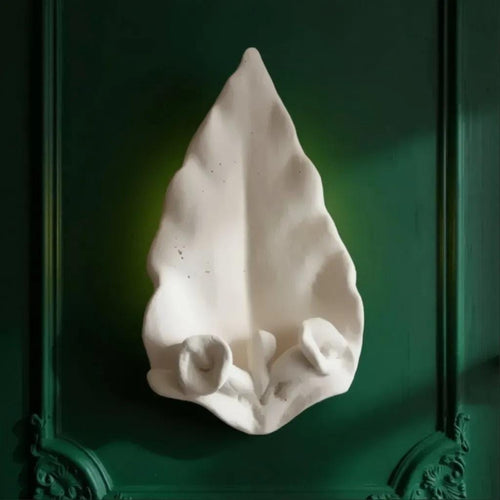
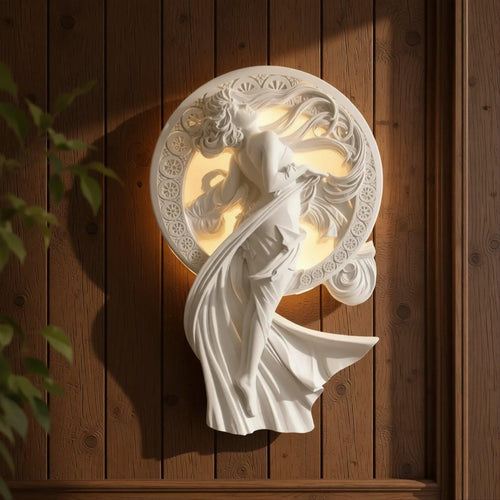
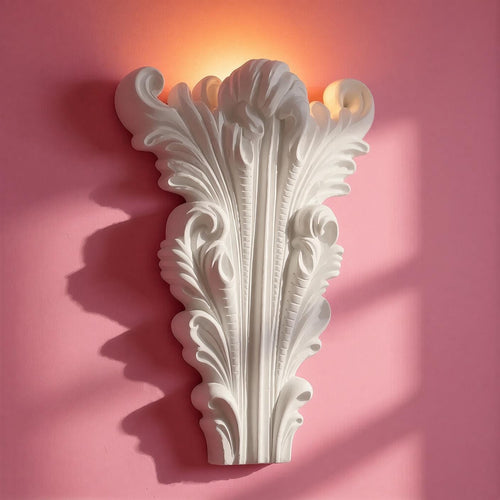
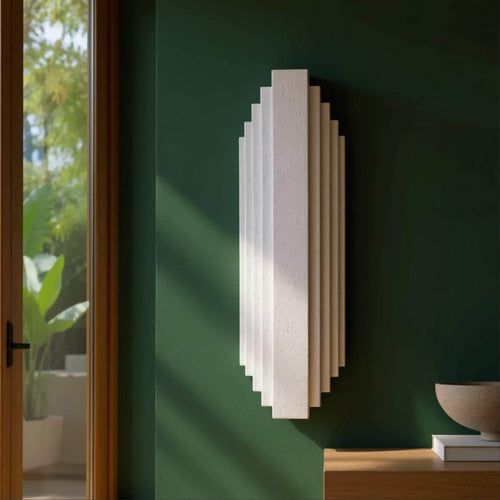
We make every piece by hand to order in Shrewsbury, and the buildings around us are a constant source of ideas, from classical acanthus leaves to the confident lines of the industrial age. See our Heritage & Classical and overdoor collections, or read more on our history of ornament page.
Good to know
Common questions
Why is the Iron Bridge in Shropshire famous?
The Iron Bridge over the River Severn was the world's first major bridge built of cast iron. Designed by the Shrewsbury architect Thomas Farnolls Pritchard and cast at Abraham Darby III's Coalbrookdale furnace, it was completed in 1779 and opened to traffic in 1781. The Ironbridge Gorge became a World Heritage Site in 1986.
What is special about Ditherington Flaxmill?
Ditherington Flaxmill in Shrewsbury, built in 1797 with Charles Bage, is described as the world's first iron-framed building and a forerunner of the modern skyscraper. Its cast-iron columns and beams made it far more fire-resistant than timber-framed mills. After a long restoration, the Main Mill reopened to visitors in 2022.
What historic buildings can you see in Shrewsbury?
Shrewsbury has Shrewsbury Abbey, founded in 1083, one of England's finest groups of timber-framed buildings, including Ireland's Mansion on the High Street, and the narrow medieval passages known as shuts. Nearby are Ditherington Flaxmill, Attingham Park, cared for by the National Trust, and the Iron Bridge further east.
Sources
References and further reading
Harvard style. Web pages were checked on the access date shown.
- Newman, J. and Pevsner, N. (2006) The Buildings of England: Shropshire. New Haven and London: Yale University Press.
- English Heritage (n.d.) History of Iron Bridge. Available at: www.english-heritage.org.uk/visit/places/iron-bridge/hist... (Accessed: 8 October 2026).
- UNESCO World Heritage Centre (n.d.) Ironbridge Gorge. Available at: whc.unesco.org/en/list/371/ (Accessed: 8 October 2026).
- Friends of the Flax Mill Maltings (n.d.) Shrewsbury Flaxmill Maltings Story. Available at: www.flaxmill-maltings.co.uk/shrewsbury-flaxmill-maltings-... (Accessed: 8 October 2026).
- National Trust (n.d.) Attingham Park. Available at: www.nationaltrust.org.uk/visit/shropshire-staffordshire/a... (Accessed: 8 October 2026).
- Shrewsbury Abbey (n.d.) Shrewsbury Abbey. Available at: www.shrewsburyabbey.com/ (Accessed: 8 October 2026).
How to cite this article
van Locke, J. (2026) ‘Shropshire's architectural heritage: from Shrewsbury's timber mansions to the Iron Bridge’, The Flare Journal. Flare Studio UK. Available at: https://flarestudio.uk/blogs/journal/shropshire-architectural-heritage (Accessed: 12 October 2026).
Shop the style