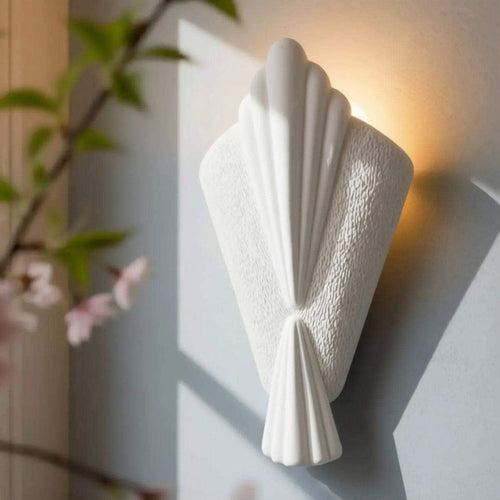
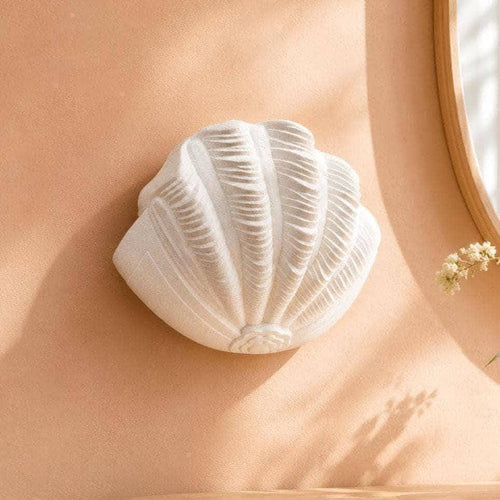
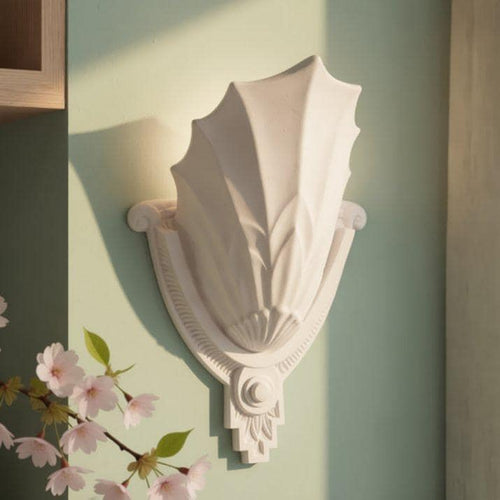
The scallop shell in design: from Botticelli to Hollywood Regency


The scallop shell is one of the oldest and most enduring ornaments in design. Its fan of ribs is naturally symmetrical, endlessly adaptable and instantly recognisable, which is exactly why architects and designers keep coming back to it.
A symbol of beauty
In the ancient world, the shell was linked with Venus (Aphrodite), the goddess of love, who was said to have been born from the sea. The most famous image of that story is Sandro Botticelli's The Birth of Venus, painted around 1484–86 and now in the Uffizi in Florence, in which the goddess arrives on the shore standing on a giant scallop shell.
The pilgrim's badge
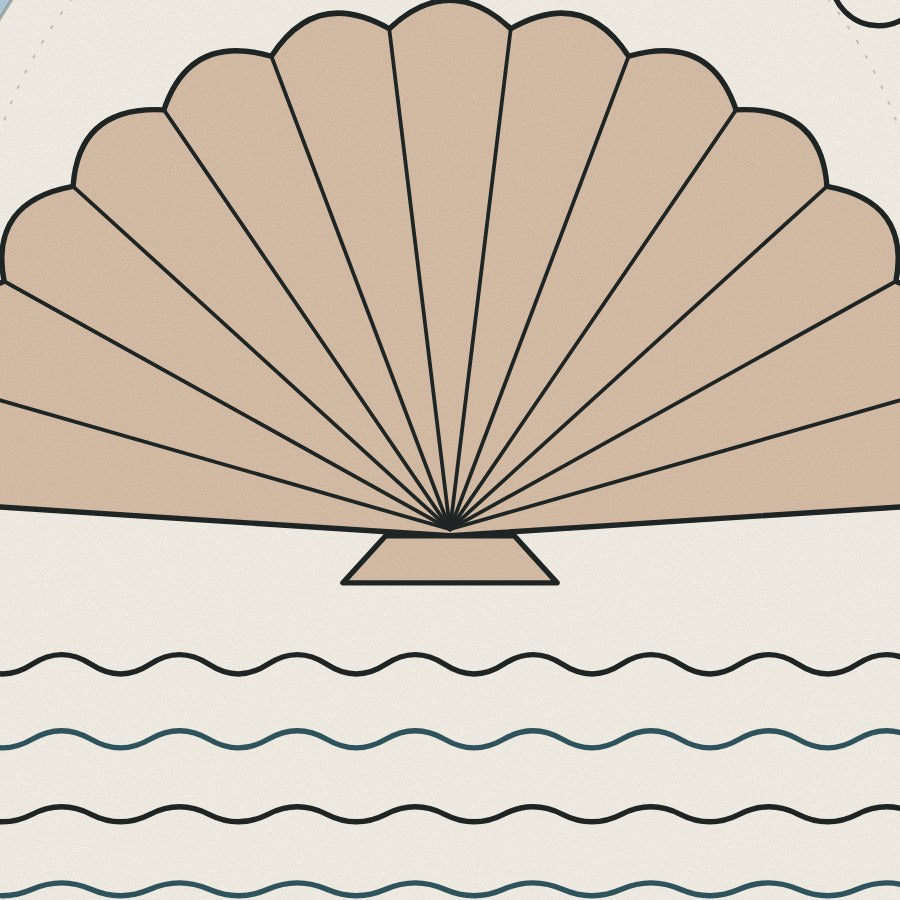
The scallop is also the emblem of St James. Pilgrims walking the Camino de Santiago to the cathedral at Santiago de Compostela in Spain wore a shell as a badge, and many still do. Waymarkers along the routes often carry a stylised shell, its lines converging like the paths themselves.
Shells in architecture
- Renaissance niches. A half-dome carved as a shell crowned many niches for statues.
- Georgian doorways. Shell hoods sheltered front doors in the early eighteenth century.
- Rococo. In the 1730s, French designers turned rocks and shells into the flowing, asymmetrical "rocaille" ornament that gave Rococo its name.
- Hollywood Regency. In the twentieth century, glamorous interiors revived shell motifs in mirrors, furniture and lighting.
A shell is nature's own sunburst: the same radiating lines that Art Deco designers loved, drawn by the sea.
Bringing the shell home
Shell motifs suit bathrooms, hallways and bedrooms especially well. A shell wall light gives a soft fan of light, and a shell-topped piece above a door makes a gentle, coastal entrance. Soft blues, sandy neutrals and chalky whites keep the look relaxed rather than themed. Explore our Coastal collection.
Good to know
Common questions
What does a scallop shell symbolise?
The scallop shell has two main meanings. In classical myth it is linked with Venus, goddess of love, who was born from the sea, as in Botticelli's The Birth of Venus. In Christian tradition it is the emblem of St James and the badge of pilgrims walking the Camino to Santiago de Compostela.
Why is the scallop shell the symbol of the Camino de Santiago?
The scallop is the emblem of St James, whose shrine is at the cathedral of Santiago de Compostela in Spain. Medieval pilgrims wore a shell as a badge, and many walkers still do. Waymarkers along the routes often show a stylised shell whose radiating lines converge like the paths themselves.
Where do shell motifs suit a home?
Shell motifs work especially well in bathrooms, hallways and bedrooms. A shell wall light gives a soft fan of light, and a shell-topped piece above a door makes a gentle coastal entrance. Soft blues, sandy neutrals and chalky whites keep the look relaxed rather than themed.
Sources
References and further reading
Harvard style. Web pages were checked on the access date shown.
- Hall, J. (1974) Dictionary of Subjects and Symbols in Art. London: John Murray.
- Snodin, M. (ed.) (1984) Rococo: Art and Design in Hogarth's England. London: Trefoil Books in association with the Victoria and Albert Museum.
- Uffizi Galleries (n.d.) The birth of Venus by Botticelli. Available at: www.uffizi.it/en/artworks/birth-of-venus (Accessed: 8 October 2026).
- Victoria and Albert Museum (n.d.) Rococo – Explore the Collections. Available at: www.vam.ac.uk/collections/rococo (Accessed: 8 October 2026).
How to cite this article
van Locke, J. (2026) ‘The scallop shell in design: from Botticelli to Hollywood Regency’, The Flare Journal. Flare Studio UK. Available at: https://flarestudio.uk/blogs/journal/scallop-shell-in-design (Accessed: 12 October 2026).
Shop the style